

Advanced Character Design
| Time: | Saturday 10:00 am - 1:00 pm CET (4:00 pm - 7:00 pm GMT +8) |
| First class date: | 10.10.2026 |
| Class length: | 8 weeks |
| Instructor: | Kobe Sek |
| Location: | ONLINE |
| Course type: | LIVE SESSIONS |
| Limited seats: | 15 |
Time: Saturday 10:00 am - 1:00 pm CET (4:00 pm - 7:00 pm GMT +8)
First Class: 10.10.2026
Class length: 8 weeks
Instructor: Kobe Sek
Location: ONLINE
Course type: LIVE SESSIONS
Limited Seats: 15
Course description
With this class the intention is to provide our students with the best knowledge and skill gain when it comes to Character Concept Art.
You will learn how to navigate the entire production pipeline and consistently deliver high-quality work, regardless of the style or tone of a project. Kobe’s main focus is on building a solid foundation and understanding of what makes characters memorable and iconic. He will be guiding you in-depth throughout his process of thinking, explaining each design decision: story, reference, shape, hierarchy, costume materials, colour and presentation.
Throughout the whole course Kobe will be introducing a set of different techniques so students learn how to generate ideas when they are stuck, rather than reylying on just one, fixed workflow.
The final project should demonstrate both a strong character design and a clear, repeatable process.
Design with emotion, functionality, and your own reinterpretation of reality to create characters that go beyond simply looking good—they feel truly believable. Learn how to make your characters function on a realistic and immersive level.
Teacher

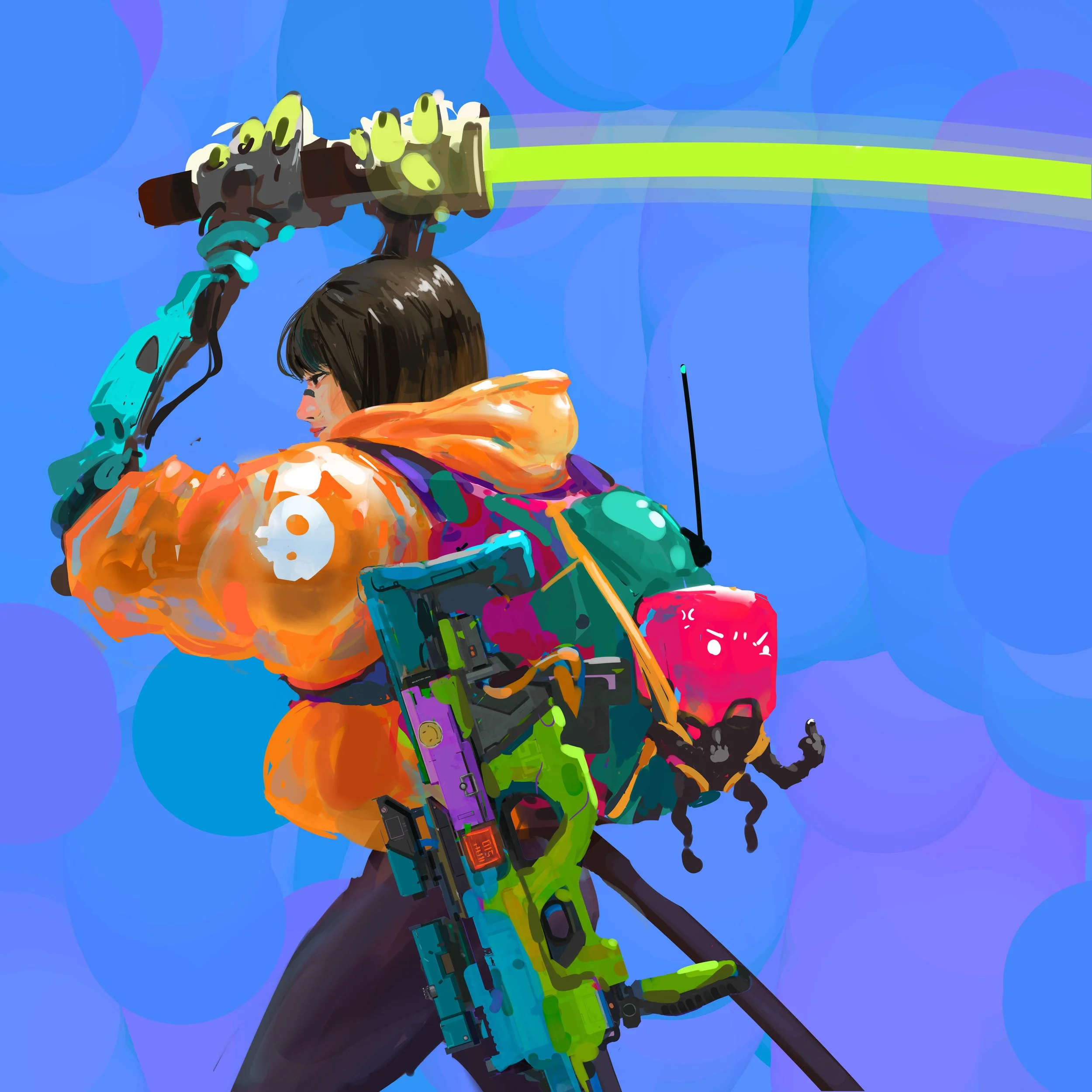
Kobe Sek is an expert Concept Artist and Art Director working at Ubisoft Singapore.
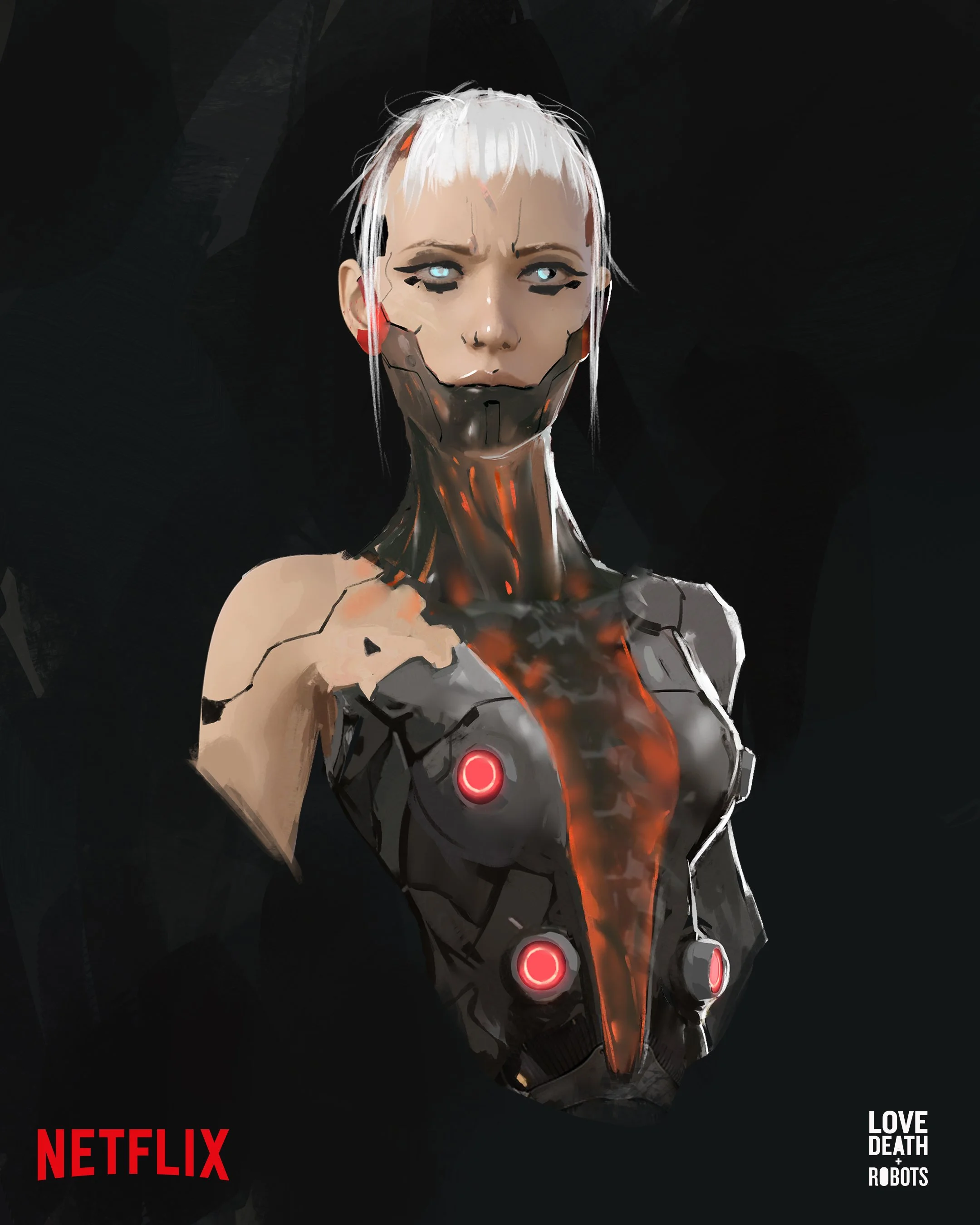
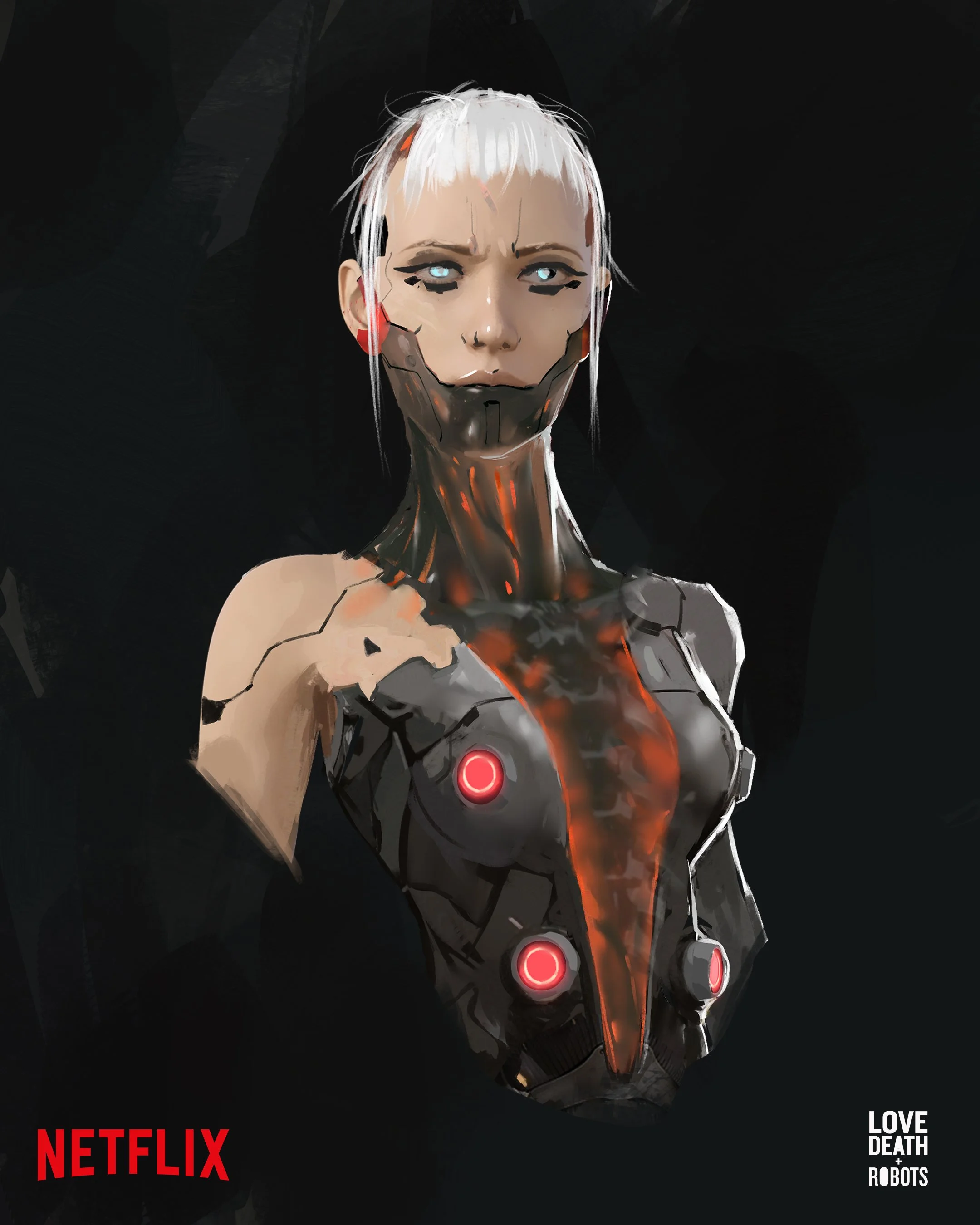
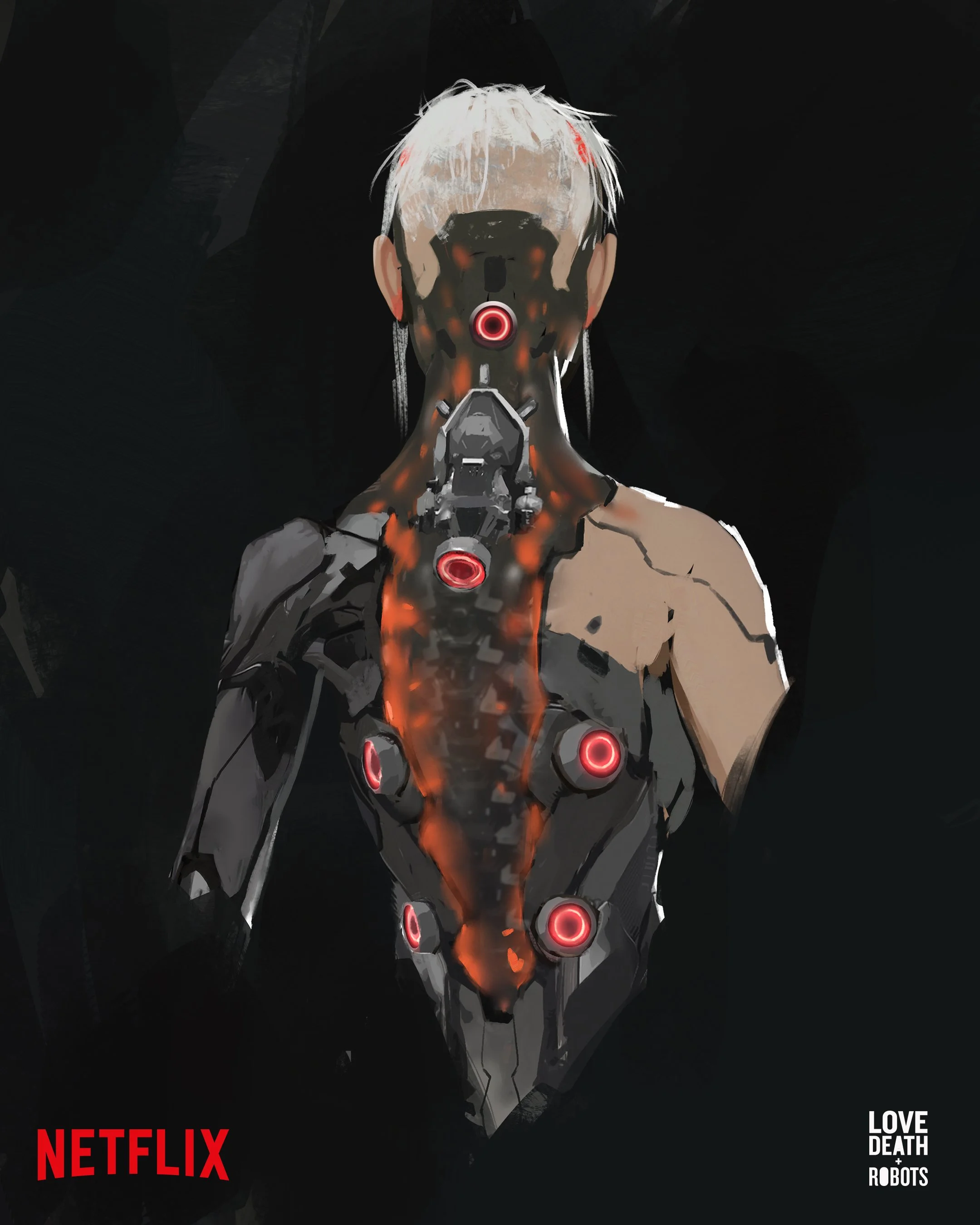
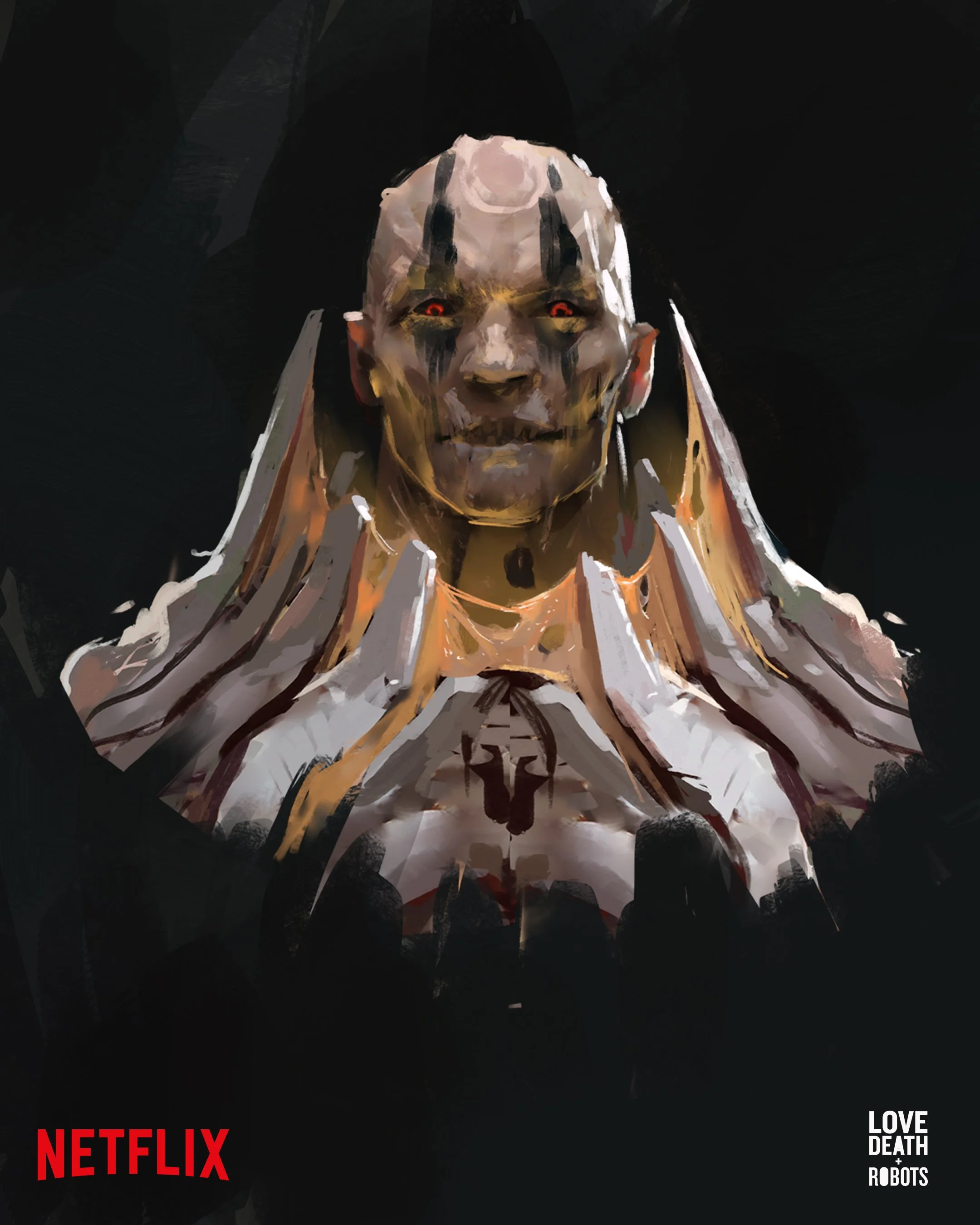
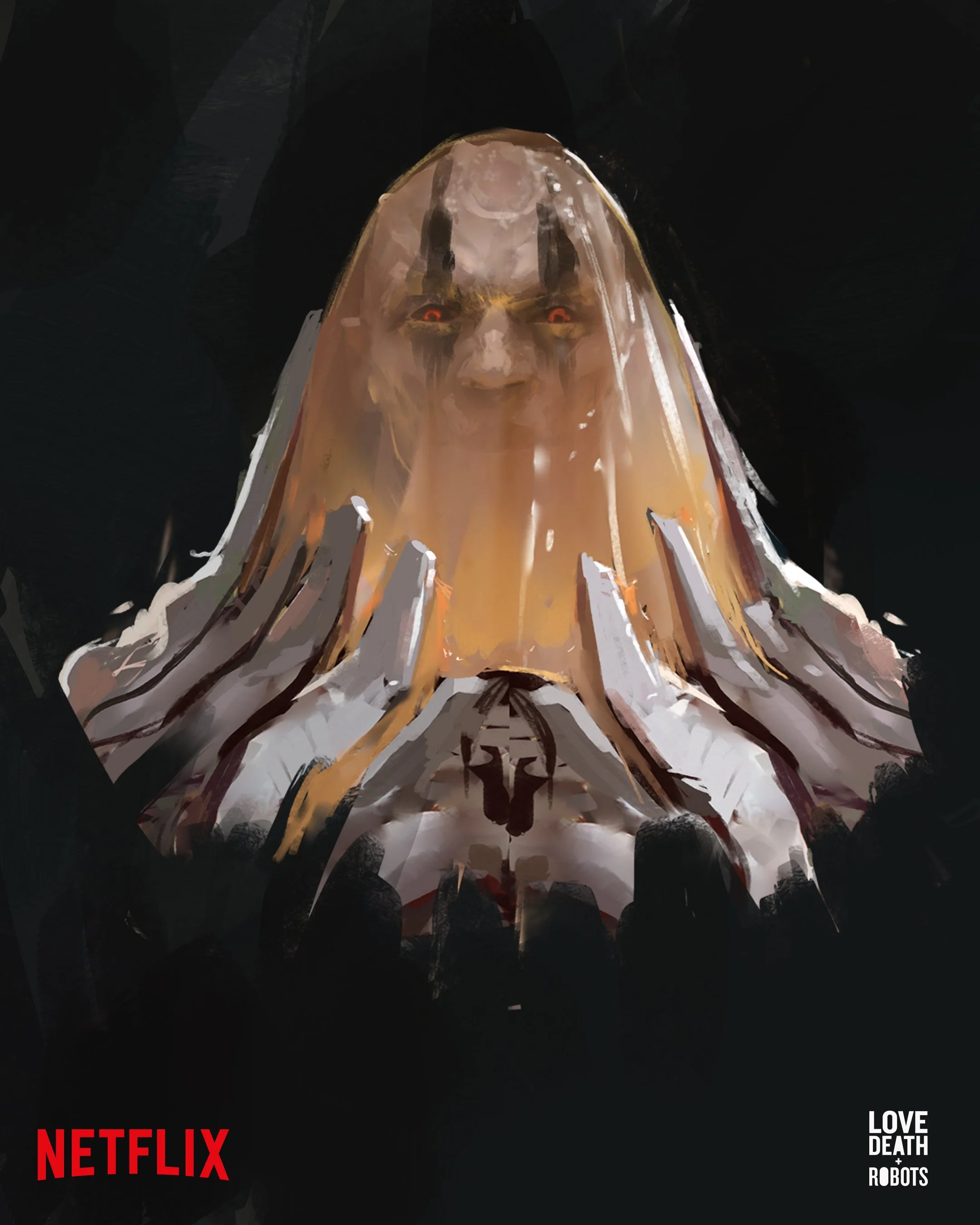
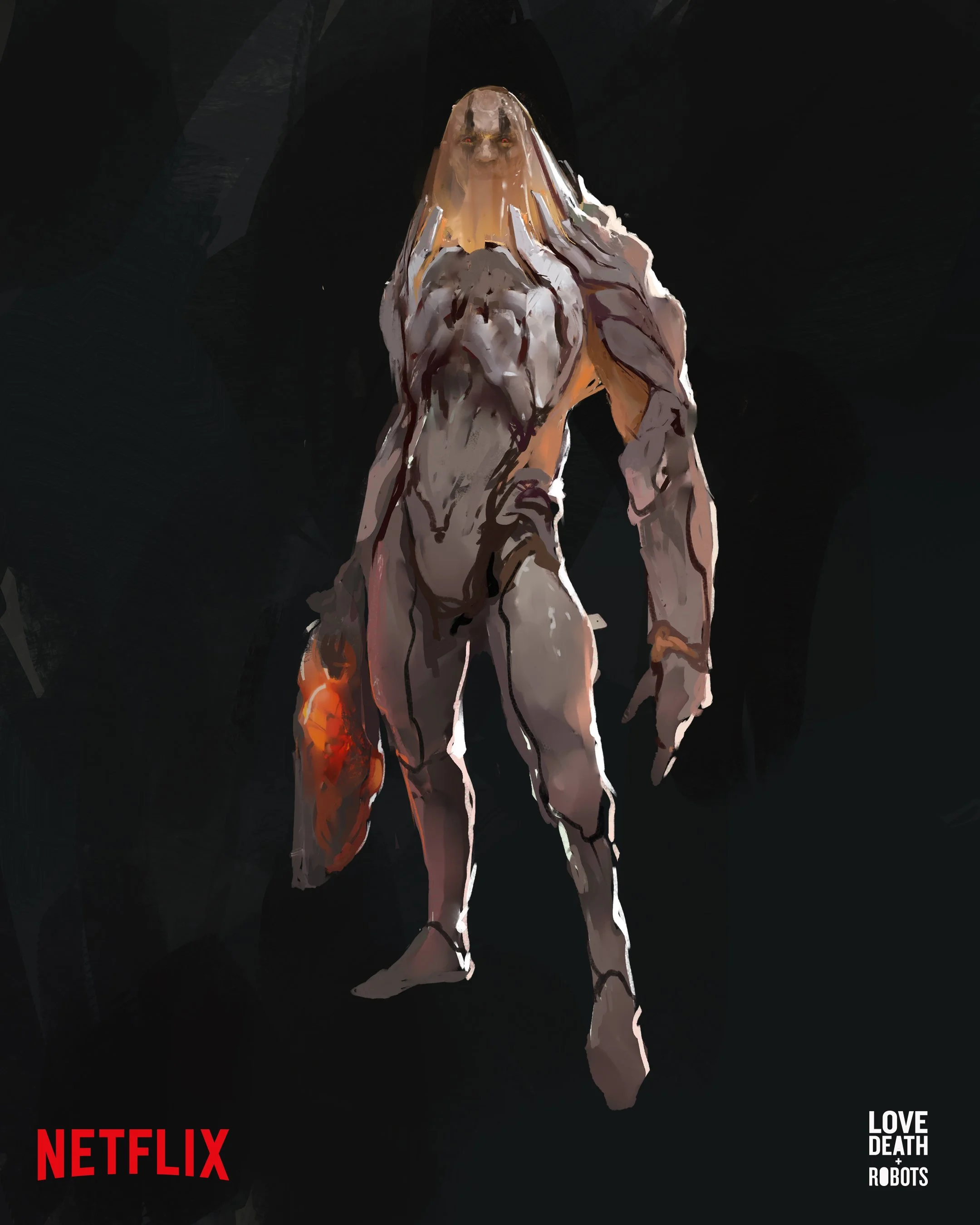
He has worked on numerous projects at Ubisoft, with some of his notable pieces manifesting themselves in the Assassin's Creed series, where his specialization lies in concept art, character design, environment design and digital illustration. Kobe has also worked on Love Death and Robots for the Netflix series.
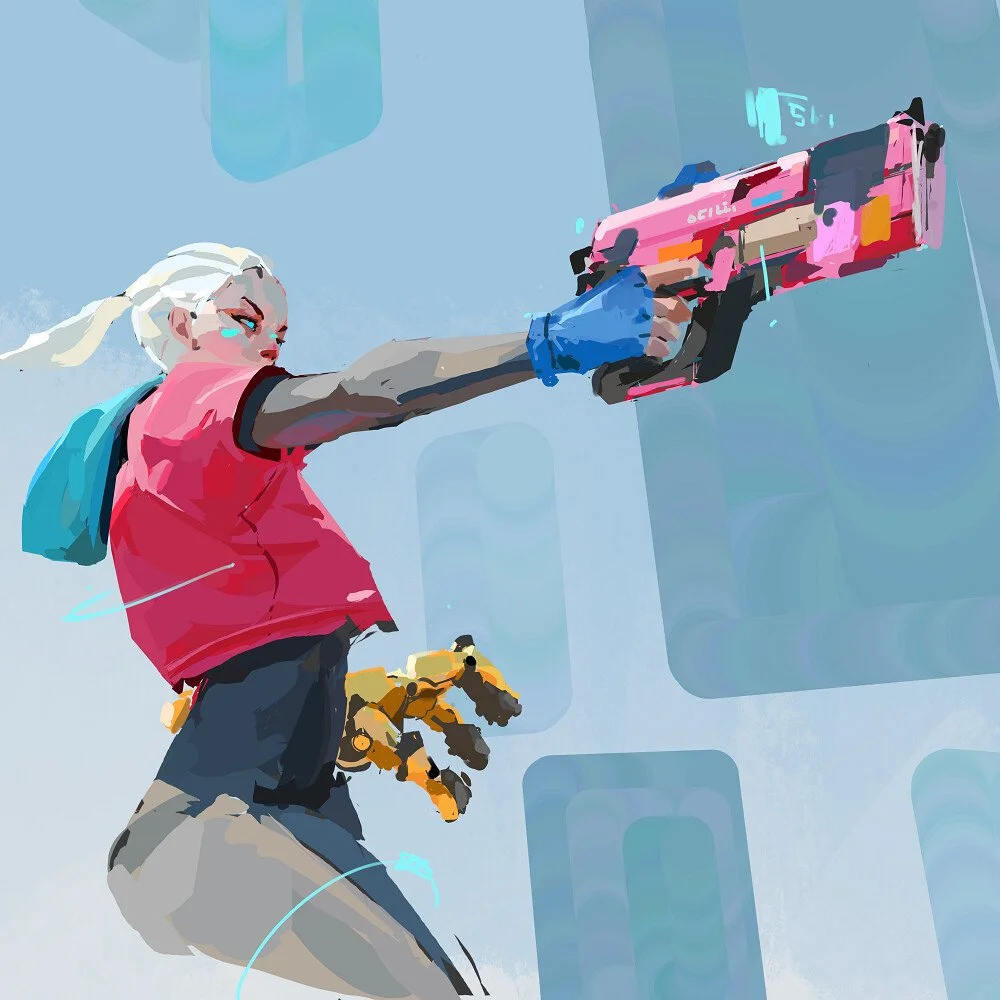
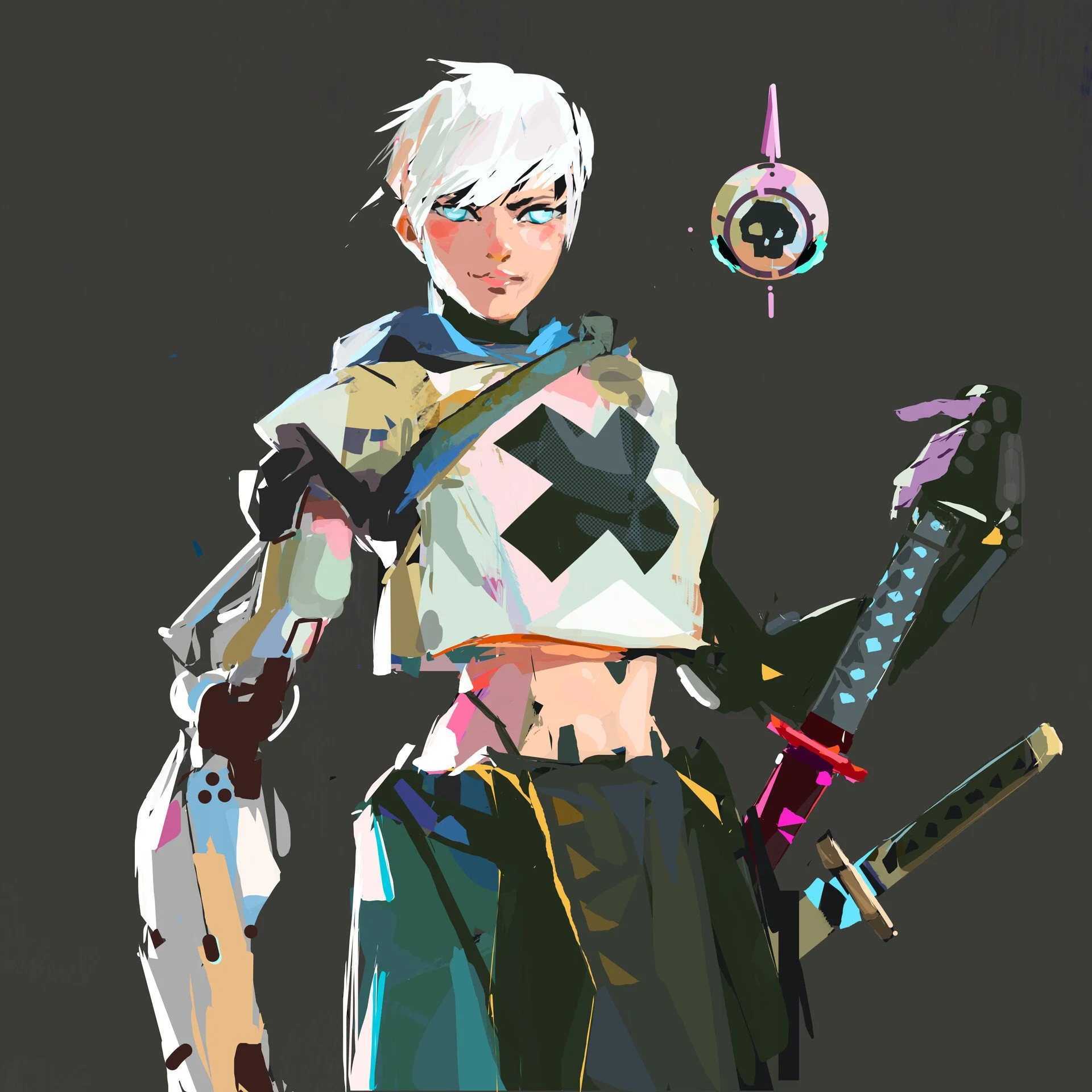
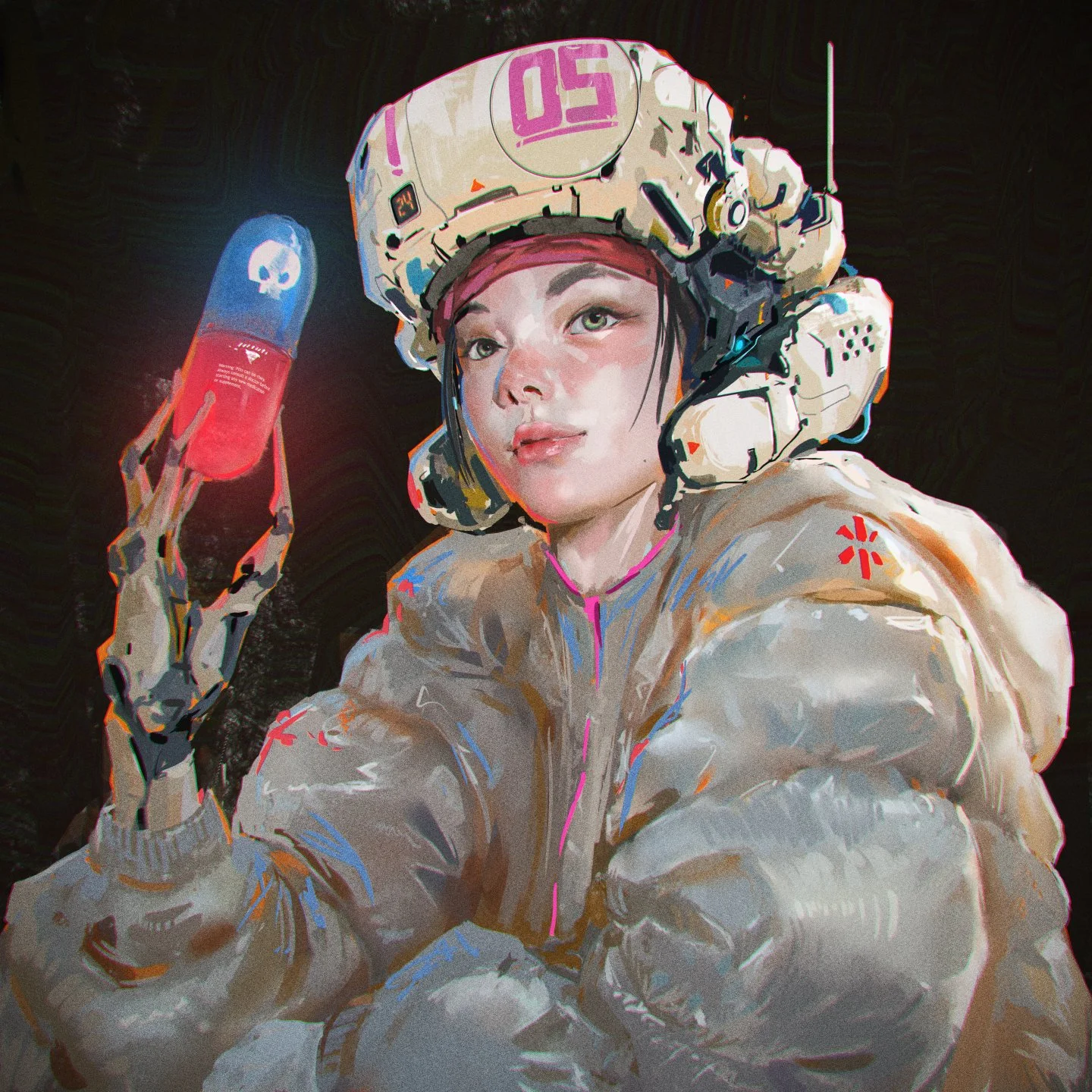
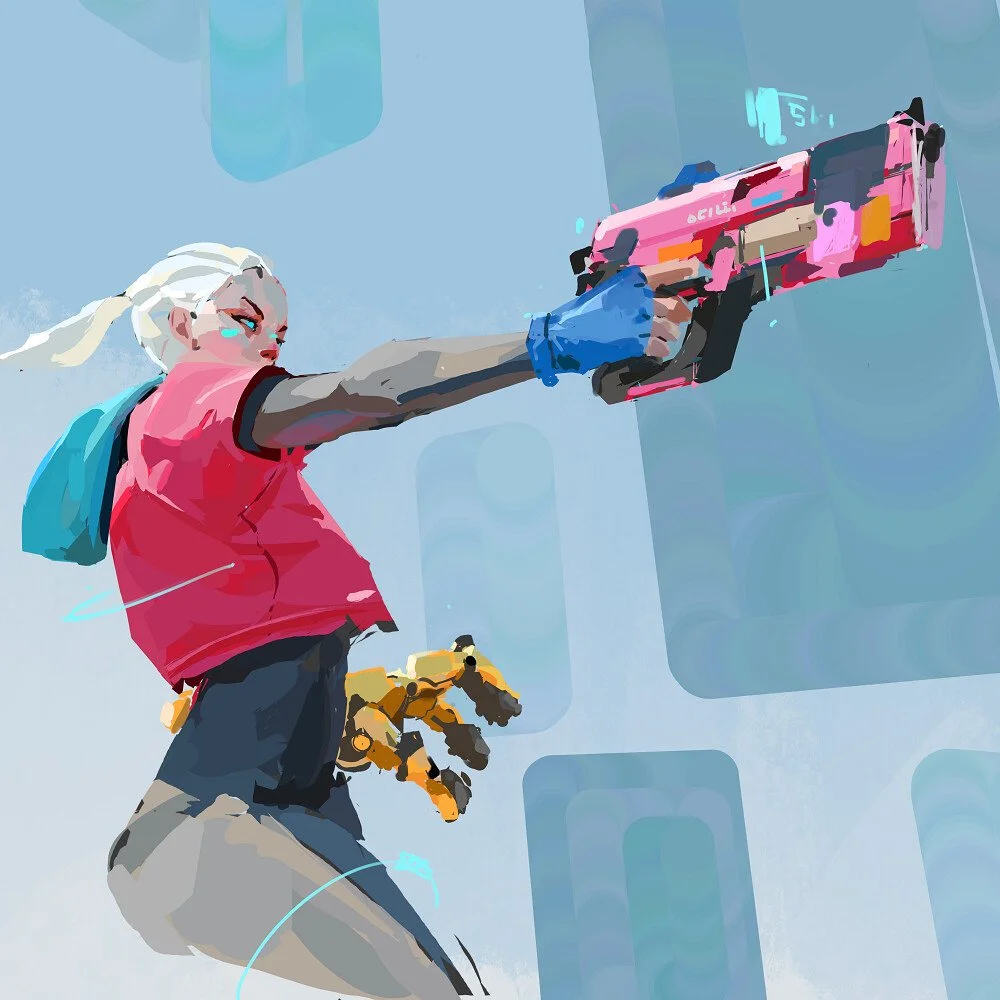
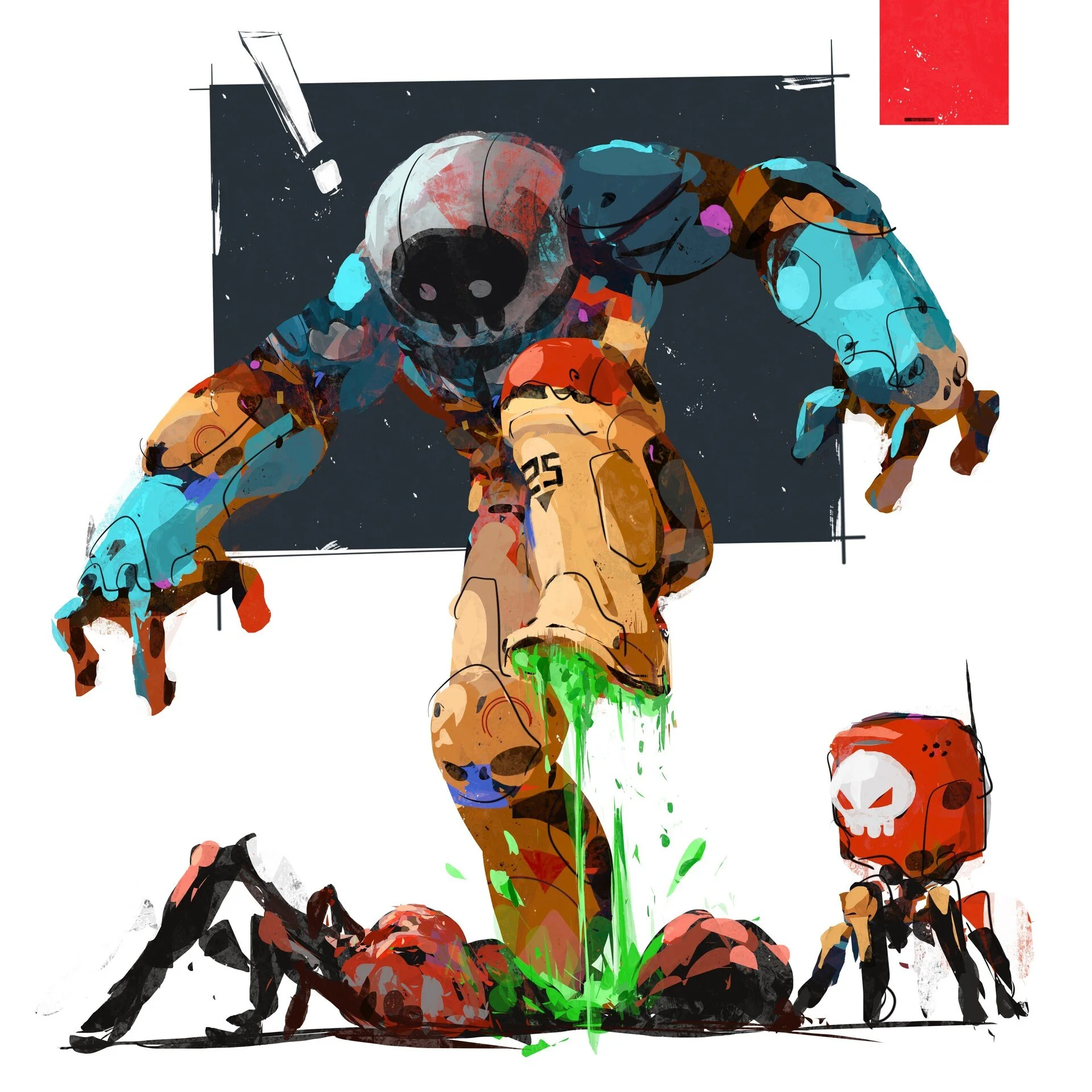
His outstanding skills go well beyond what he was able to achieve while working for various clients. Kobe is one of these concept artists which dares to push the boundaries of what Character Design actually should stand for. Continuously pushing the envelope by forging his own unique style and design language.
Kobe is able to set the trends instead of following them. Dares to execute something that started as a lucky creative accident and still brings it on par and beyond what is expected in our ever demanding industry.
Every piece of his designs, regardless of if it is just a sketch or a fully presented and rendered design tells a story. Because Kobe is successfully infusing the perfect balance between abstract creativity and immersive functionality, something which he will be teaching thoroughly during his ‘’Advanced Character Design’’ Course.
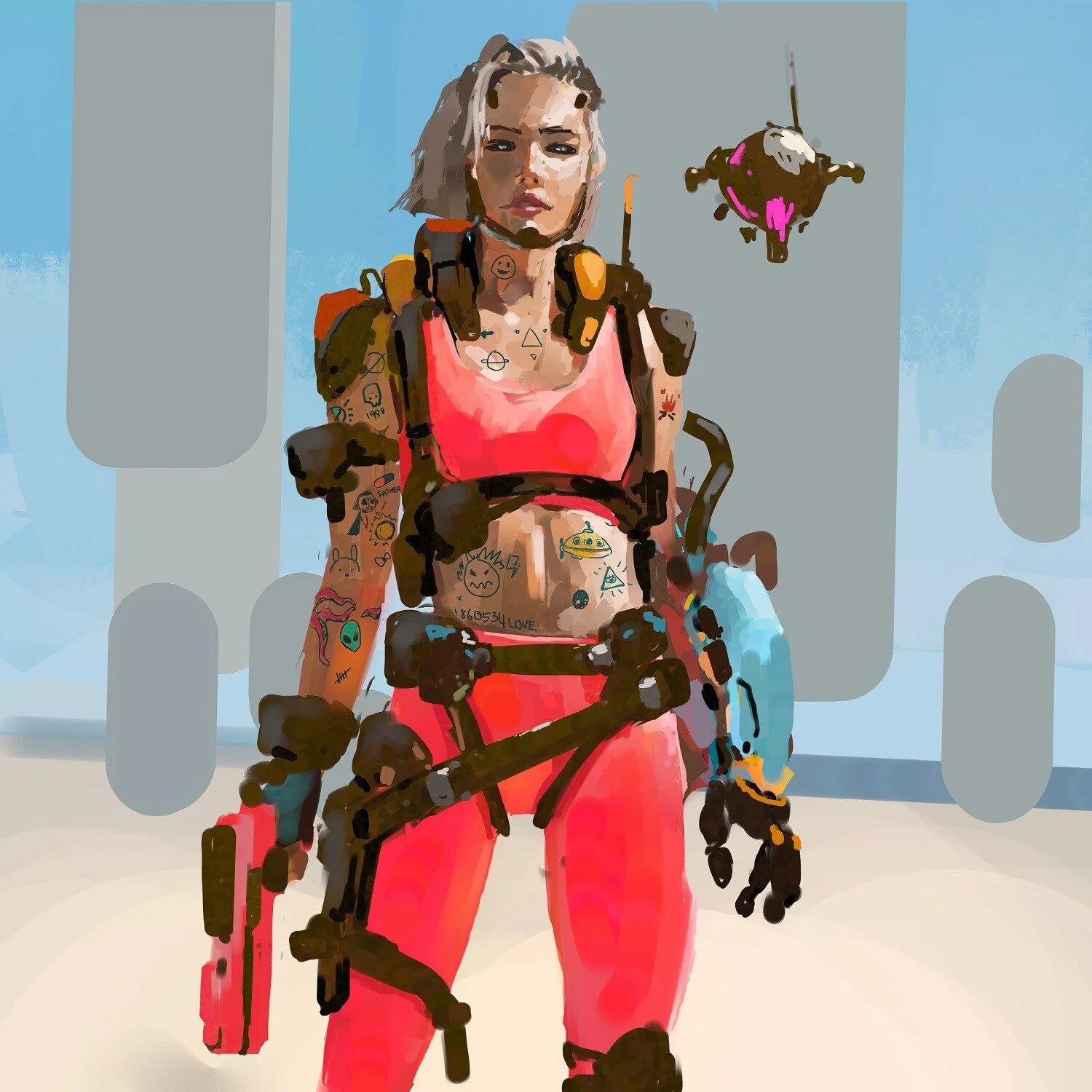
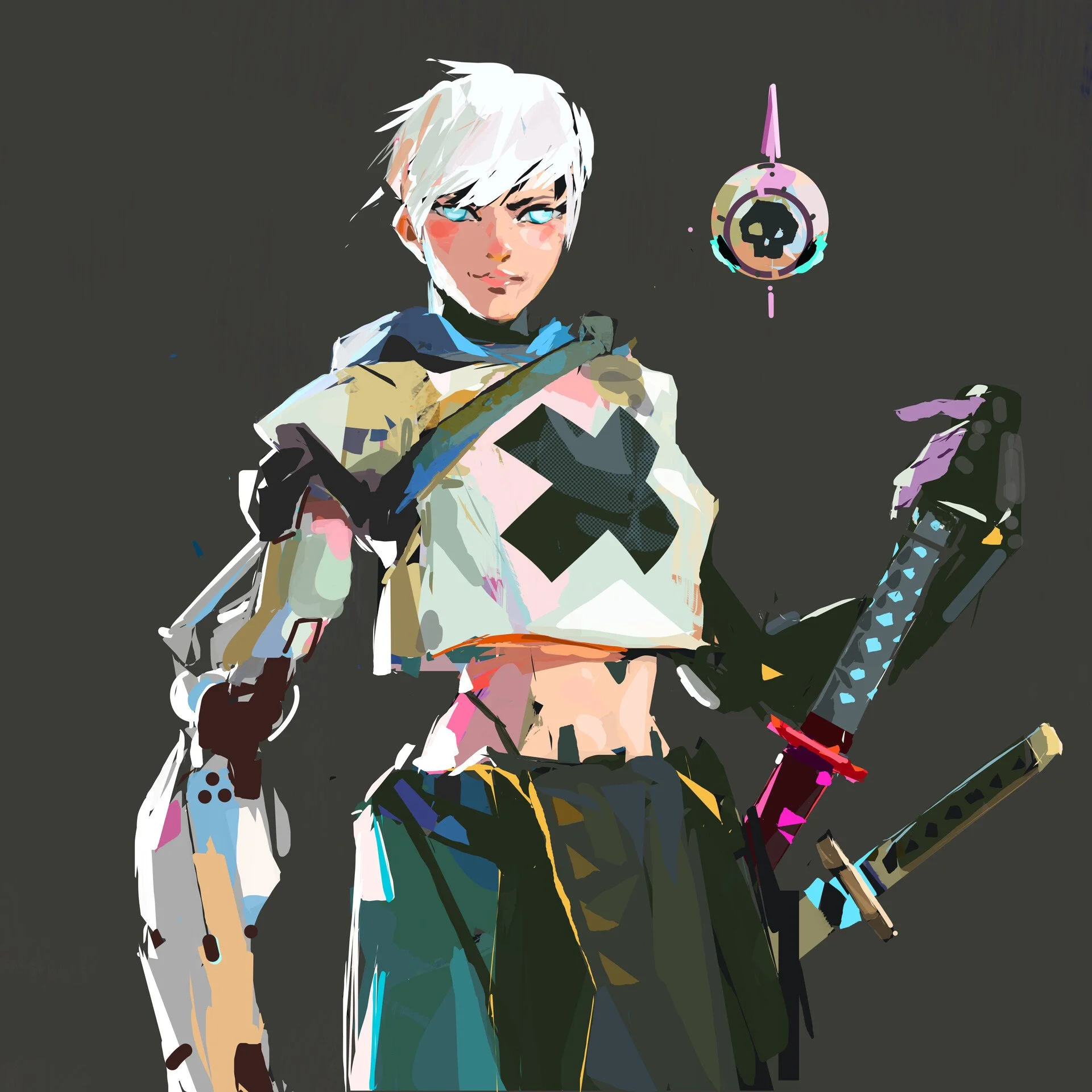
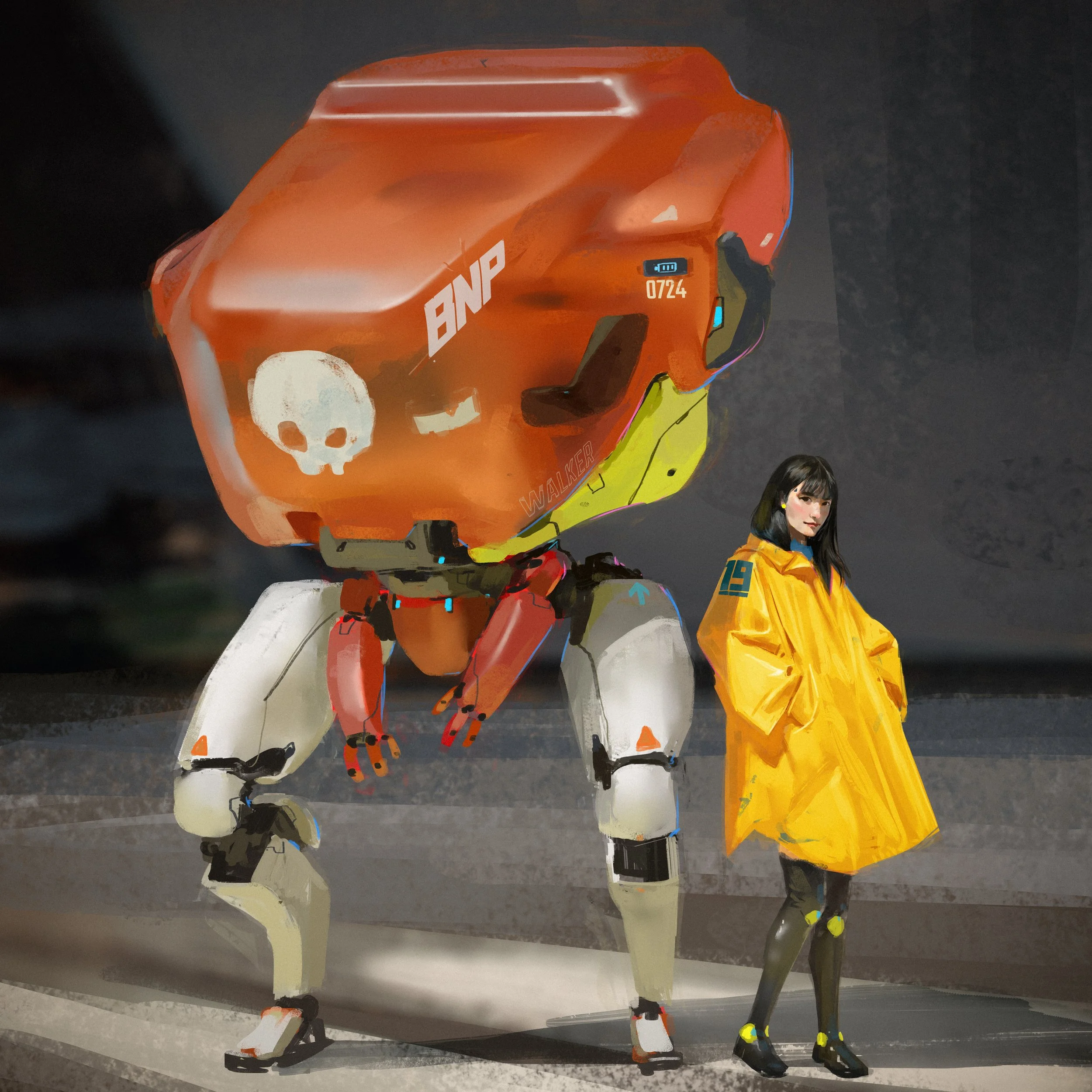
Course Structure:
-
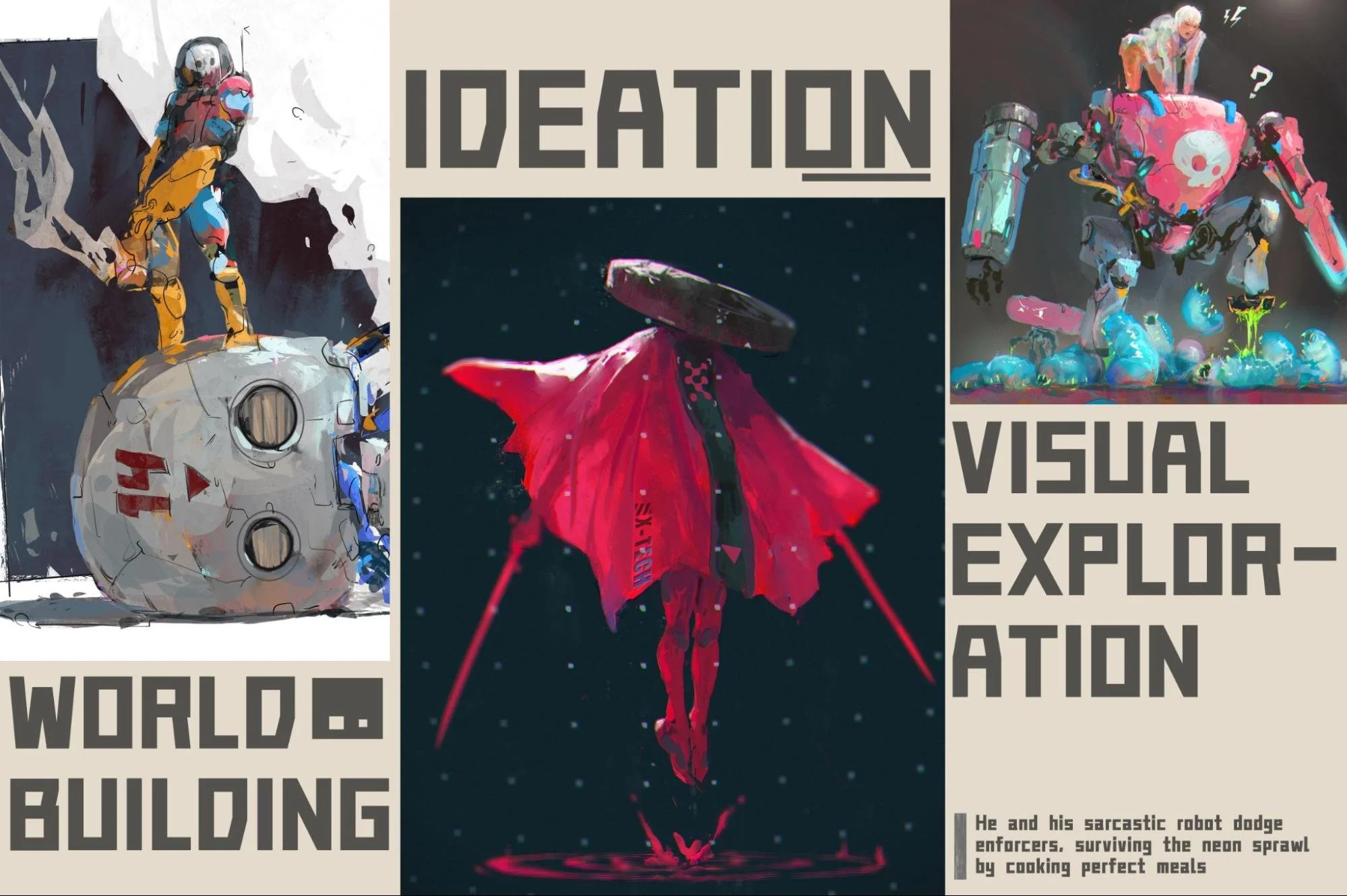
WEEK 1
Character Concept, Story & Research
-
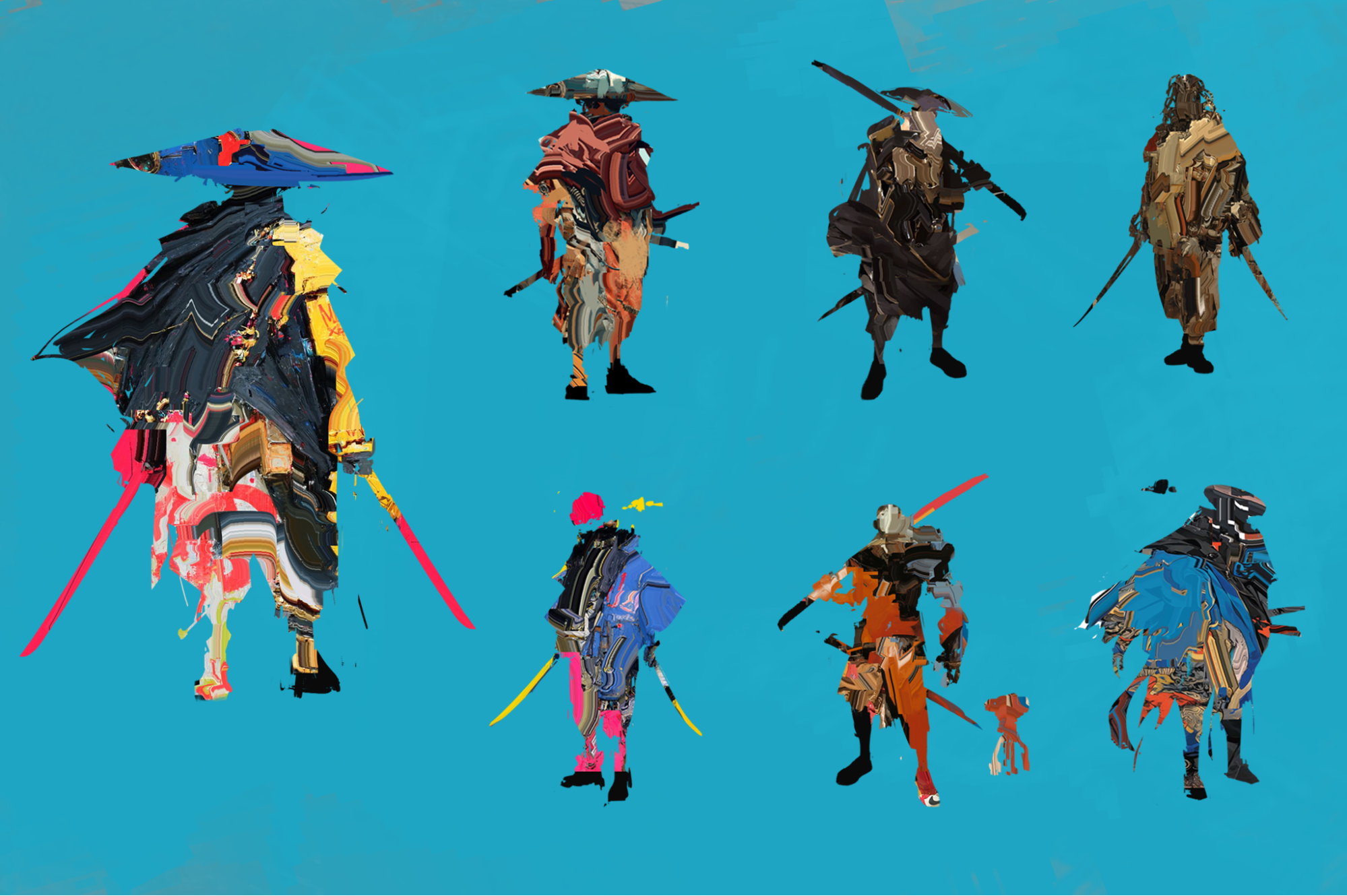
WEEK 2
Visual Exploration & Ideation
-
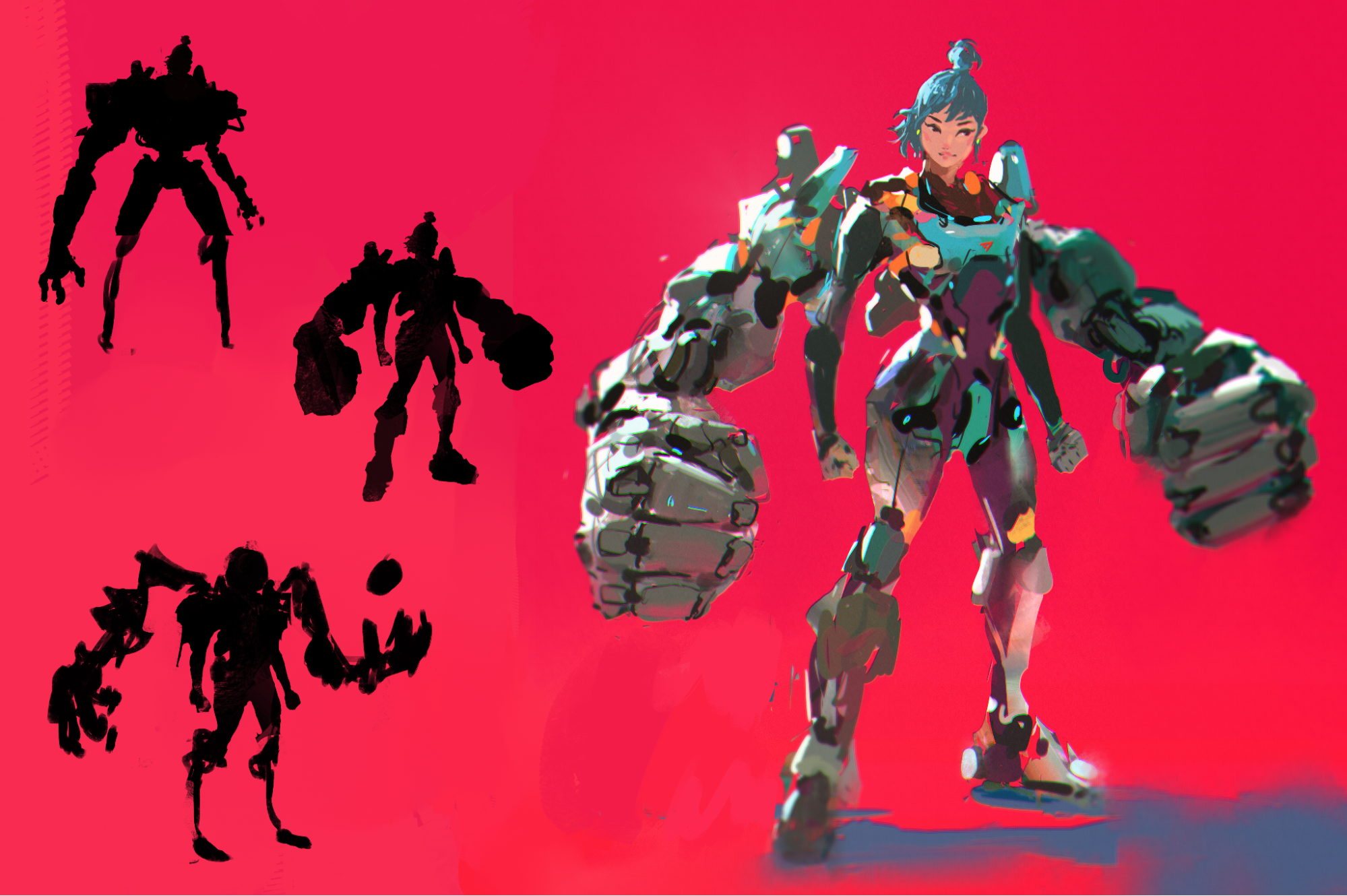
WEEK 3
Character Design Development & Problem Solving
-
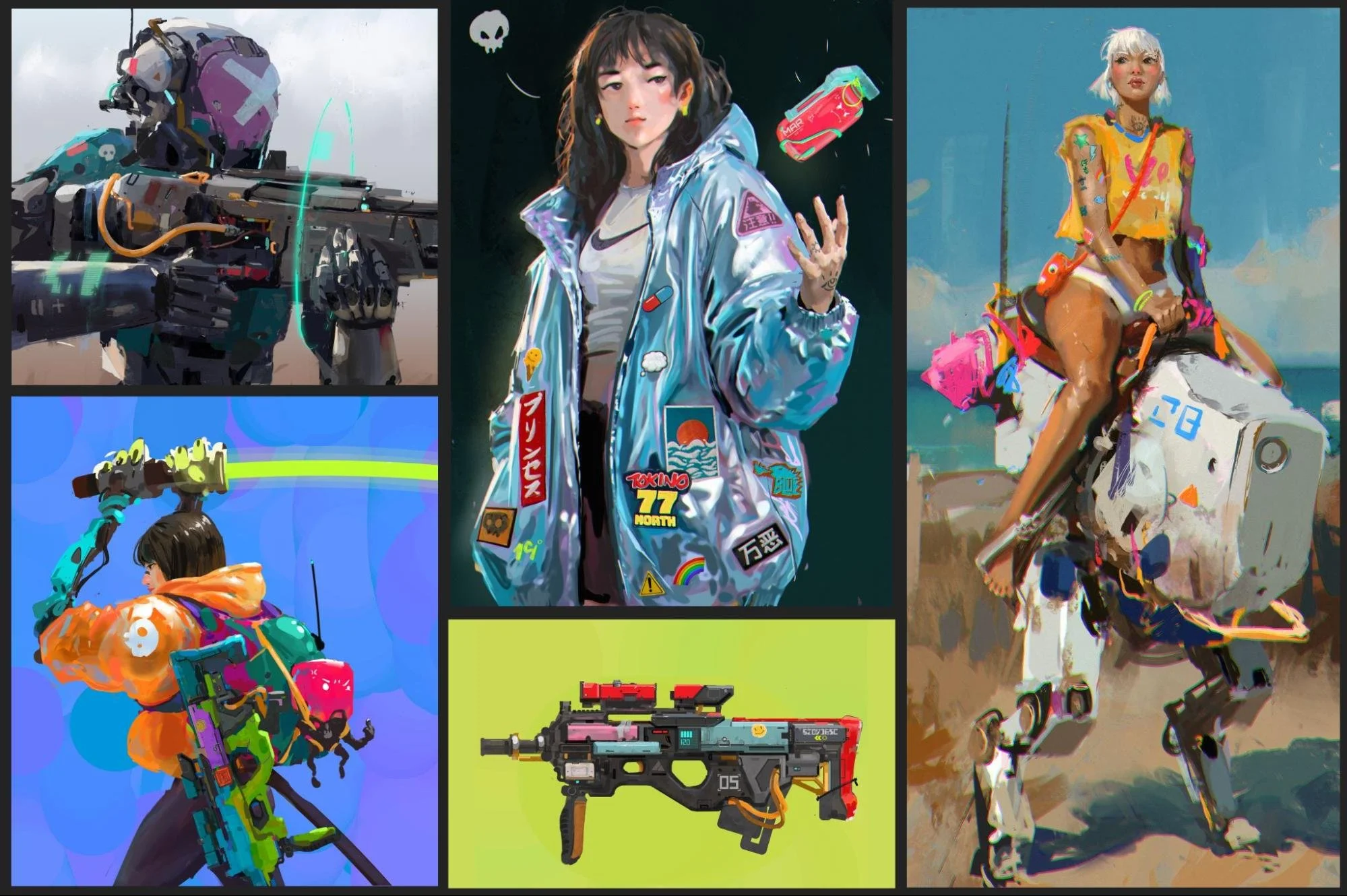
WEEK 4
Costume, Props & Design Language
-
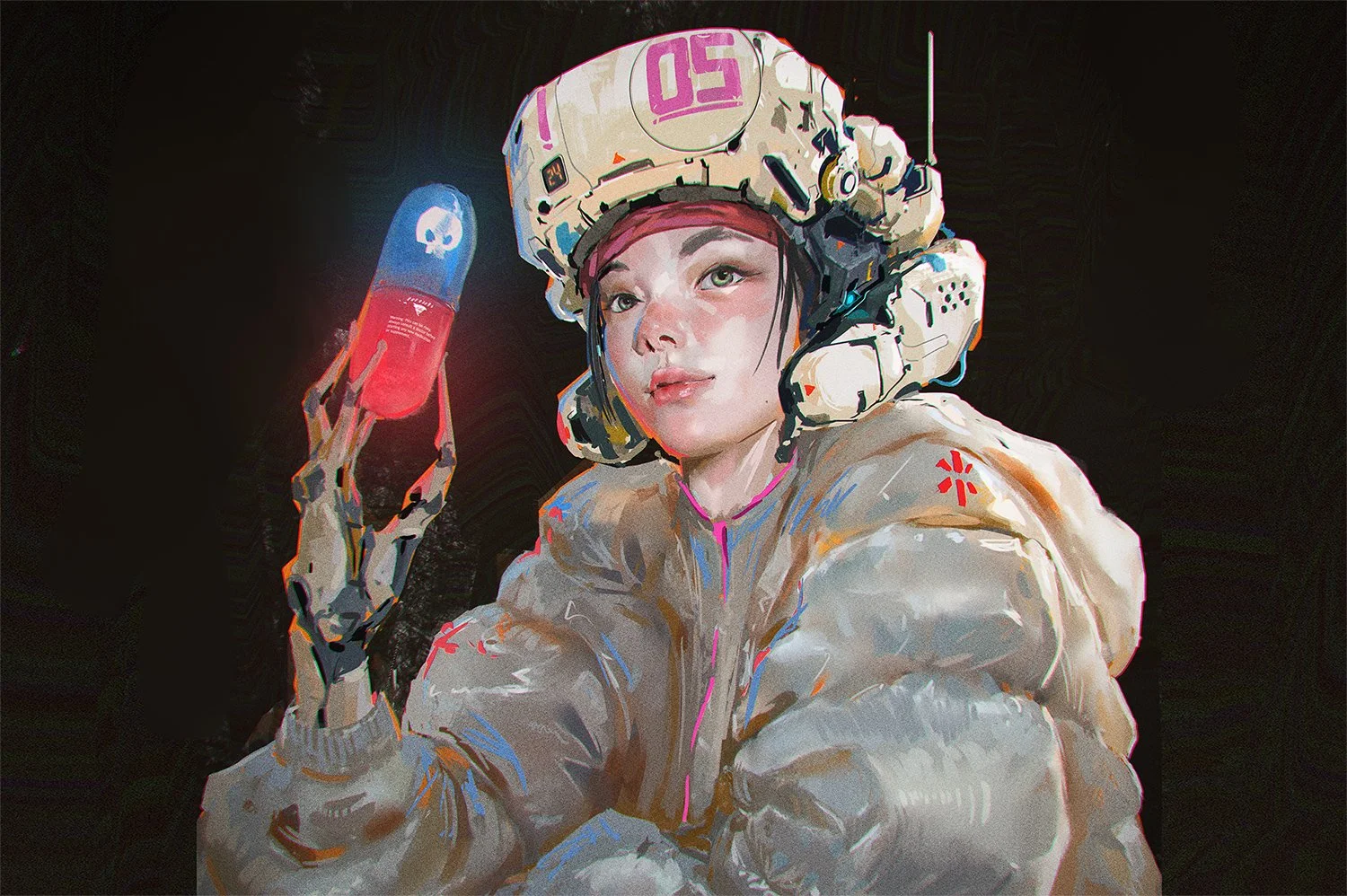
WEEK 5
Design Refinement & Finalization
-
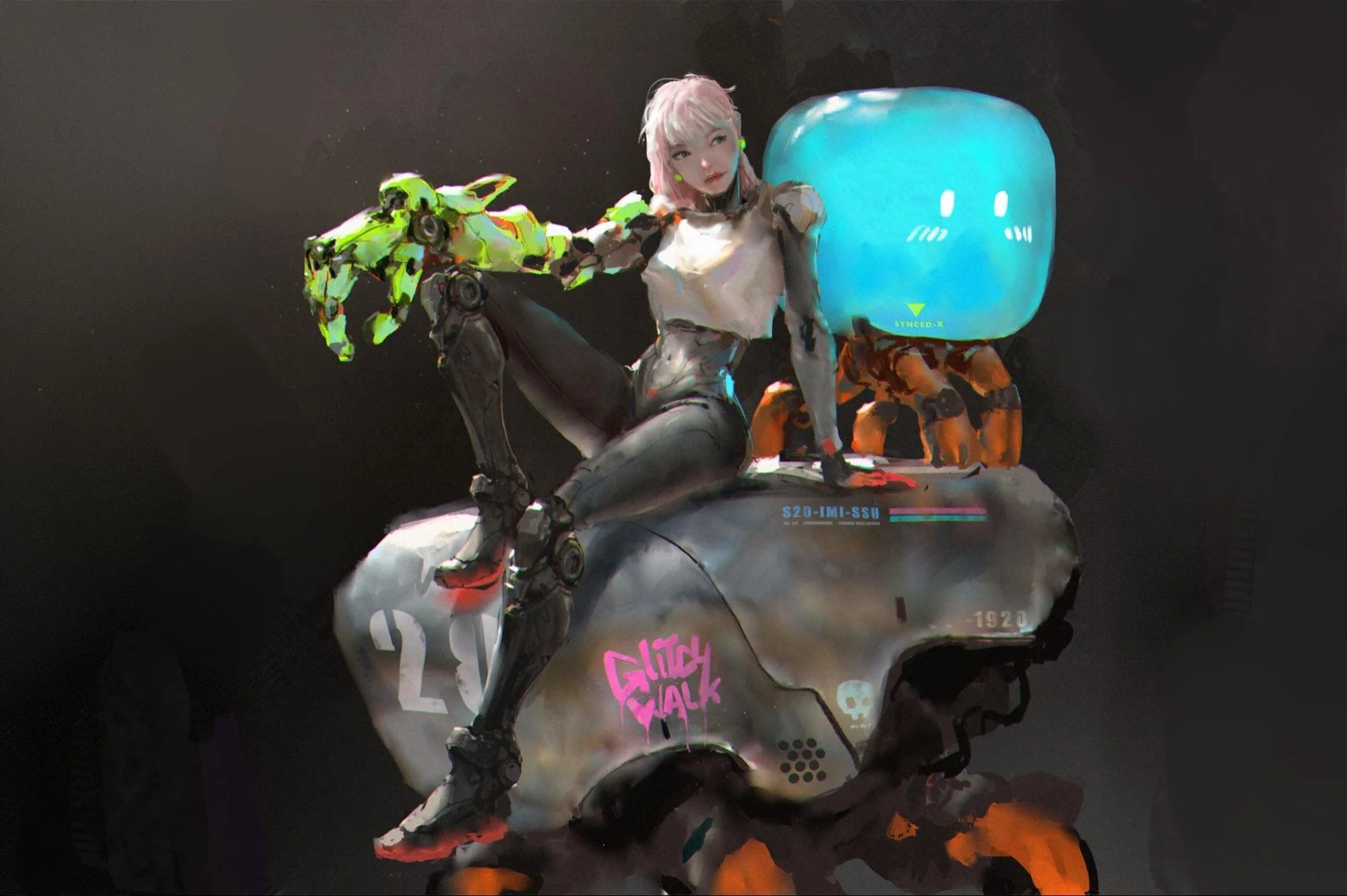
WEEK 6
Rendering & Material Language
-
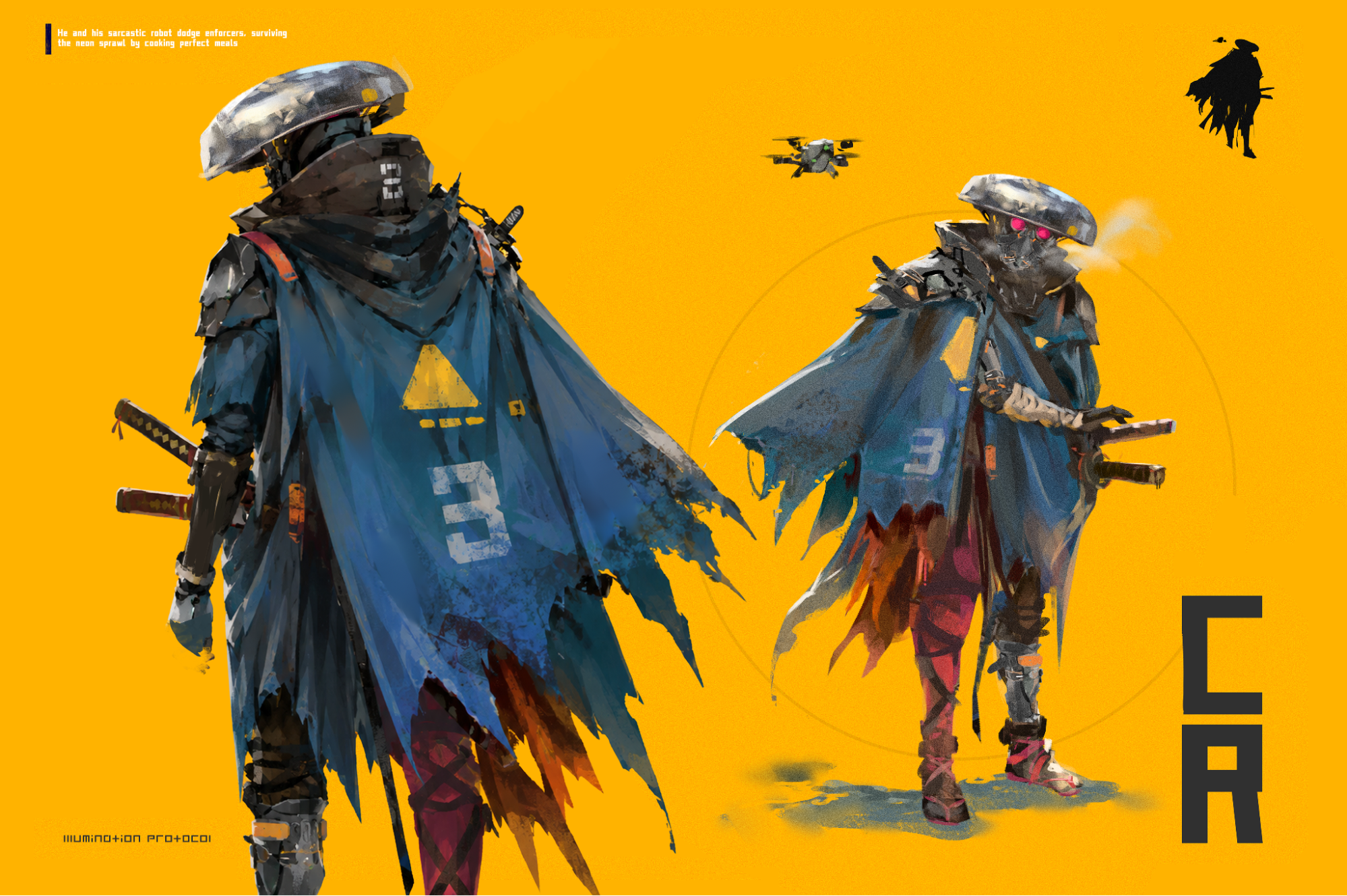
WEEK 7
Character Presentation
-
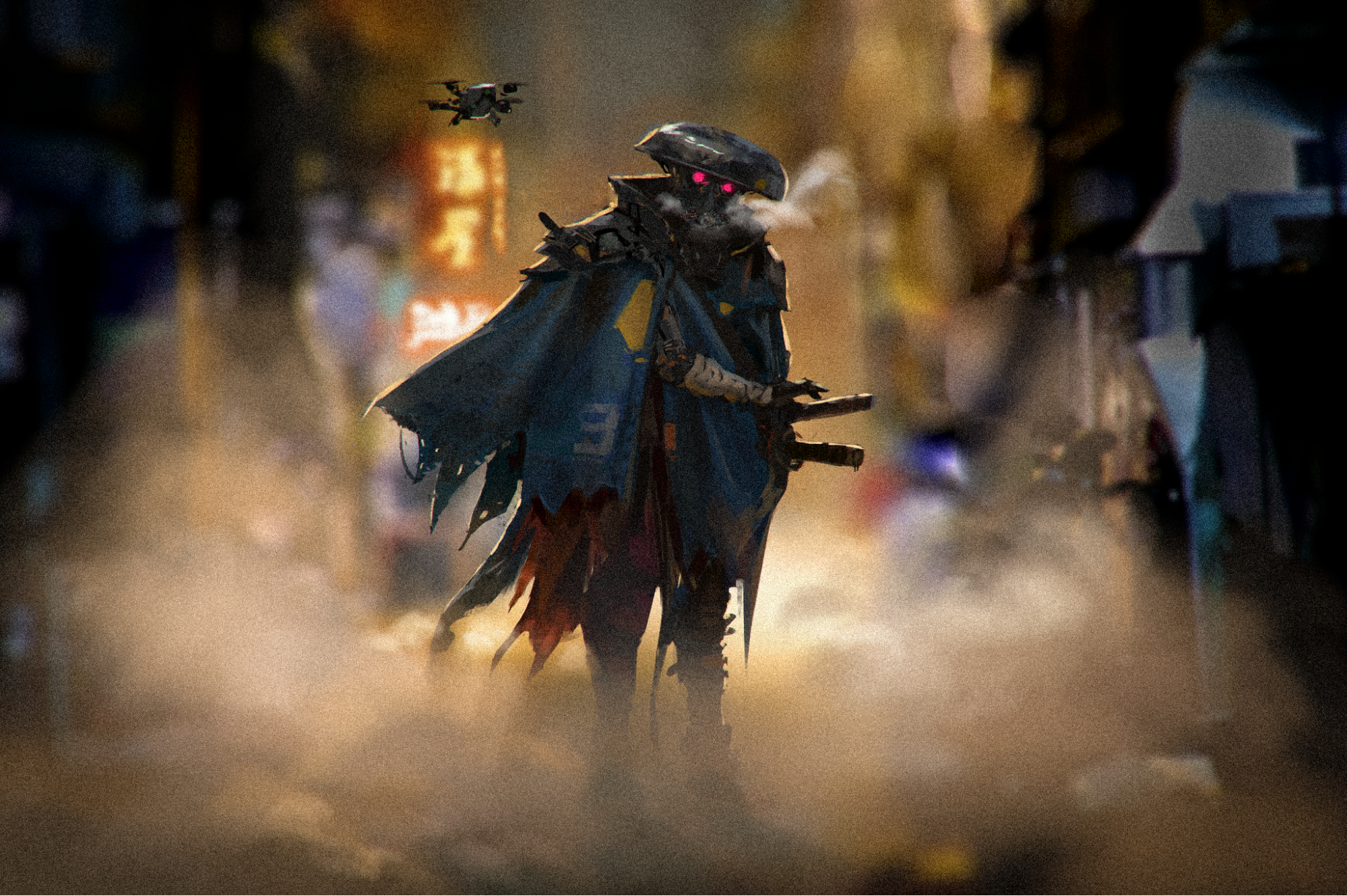
WEEK 8
Final Polish & Portfolio Presentation
-
Week 1 — Character Concept, Story & Research
Story, purpose & visual research
Define who the character is, what they do, and what the design needs to communicate.
What will be covered
Character role and story function
Personality, motivation and key traits
World, culture, environment and context
Design requirements and constraints
Cultural, historical, anatomical and visual research
Building a focused reference library
Assignment
Create a character brief and focused research/reference board.
Output
Character brief + research/reference board
Week 2 — Visual Exploration & Ideation
Thumbnails, references & visual exploration
Use the research to start designing and explore many possible visual solutions.
What will be covered
Fast thumbnailing and rapid iteration
Shape-based exploration, shape manipulation
Reference combination and manipulation
Photo-bashing and paint-over
Costume and prop ideas
Colour and value exploration
Broad silhouette and proportion exploration
Push ideas quickly before worrying about polish
Assignment
Create a broad set of character explorations and identify the strongest design directions.
Output
Exploration sheet showing multiple design directions
Week 3 — Character Design Development & Problem Solving
Shape, proportion & design problem-solving
Select the strongest direction and solve the design rather than simply generating more ideas.
What will be covered
Select the strongest visual direction
Refine silhouette and shape language
Resolve proportion and scale relationships
Strengthen visual hierarchy and readability
Clarify the major design shapes
Test variations where a design problem remains
Use targeted exploration techniques to solve specific problems
Assignment
Develop the strongest Week 2 direction into a coherent character design.
Output
Refined character design
Week 4 — Costume, Props & Design Language
Costume, props & material language
Build the character's world and personality through what they wear, carry and interact with.
What will be covered
Costume structure and hierarchy
Props and accessories
Materials and surface language
Function and believability
How costume supports silhouette
How props reinforce story and personality
Balancing primary, secondary and tertiary details
Assignment
Develop the costume and key props around the chosen character.
Output
Costume and prop development + updated character design
Week 5 — Design Refinement & Finalization
Refine, simplify & finalize the design
Rsolve the design as a whole, remove noise and prepare it for rendering.
What will be covered
Clean up proportions, shapes and construction
Strengthen silhouette and readability
Remove unnecessary details
Check costume, props and material consistency
Improve visual hierarchy
Make final design decisions before rendering
Assignment
Bring the character to a final, production-ready design state.
Output
Finalized character design
Week 6 — Rendering & Material Language
Value, colour, light & materials
Use rendering to communicate the design, not simply to add detail.
What will be covered
Value structure and focal hierarchy
Colour relationships
Lighting direction and mood
Material separation
Edge control
Selective detail
Painterly rendering while maintaining the strength of the underlying design
Assignment
Render the finalized character into a compelling finished illustration.
Output
Fully rendered character artwork
Week 7 — Character Presentation
Views, callouts & character presentation
How to communicate the design clearly to another artist, designer or viewer.
What will be covered
Choose useful character views
Key presentation or storytelling pose
Design callouts
Important costume and prop details
Organize information clearly
Create a presentation that supports the design rather than competing with it
Assignment
Build a professional character presentation around the finalized design.
Output
Character presentation sheet
Week 8 — Final Polish & Portfolio Presentation
Final polish & portfolio presentation
Bring the entire process together and focus on clarity, polish and presentation.
What will be covered
Final visual polish
Composition and hierarchy
Consistency between design and final artwork
Final critique and self-review
Make the last high-value changes
Present the project as a complete portfolio piece
Assignment
Complete and present the final character design project.
Output
Final character artwork + portfolio-ready presentation
*Please note. Even though we adhere to a week-by-week structure for our class program, the course’s structure is subject to modification in order to calibrate and optimize the class to the students’ needs. This is to always actively work on the best possible knowledge channeling for our students.
-
- The unique opportunity to learn from the mistakes of your veteran instructor which took years to realize. Students get a serious head-start because of this.
- Art Guidance and unique opportunity to witness live demos in making by industry professional Kobe Sek.
-Fast Thumbnailing and generating ideas on the fly
-Shape language exercises
-Building your own references kit
-Fine tuning your toolset
- Mastering designing characters.
- Development of several high industry standard character designs ready to use in your portfolio.
- Understanding philosophy behind designing complex and original characters
- Creating "believable" characters.
- Taking on multiple variations thruhg studies and targeted stimulating tasks.
- Advanced 2D/3D techniques.
- Working on high-level concepts. -
Dedication and passion for concept design and illustration.
Equipment – laptop or tablet and Photoshop or some other 2D graphics program (and knowledge of how to use it), 3D software (preferably Blender)
Motivation and discipline to fulfill homework.
Ability to speak and understand classes in English.